HOW DID LIFE BEGIN ON EARTH? WE DON'T KNOW! (3min)
Kaplan_Universe.mp4
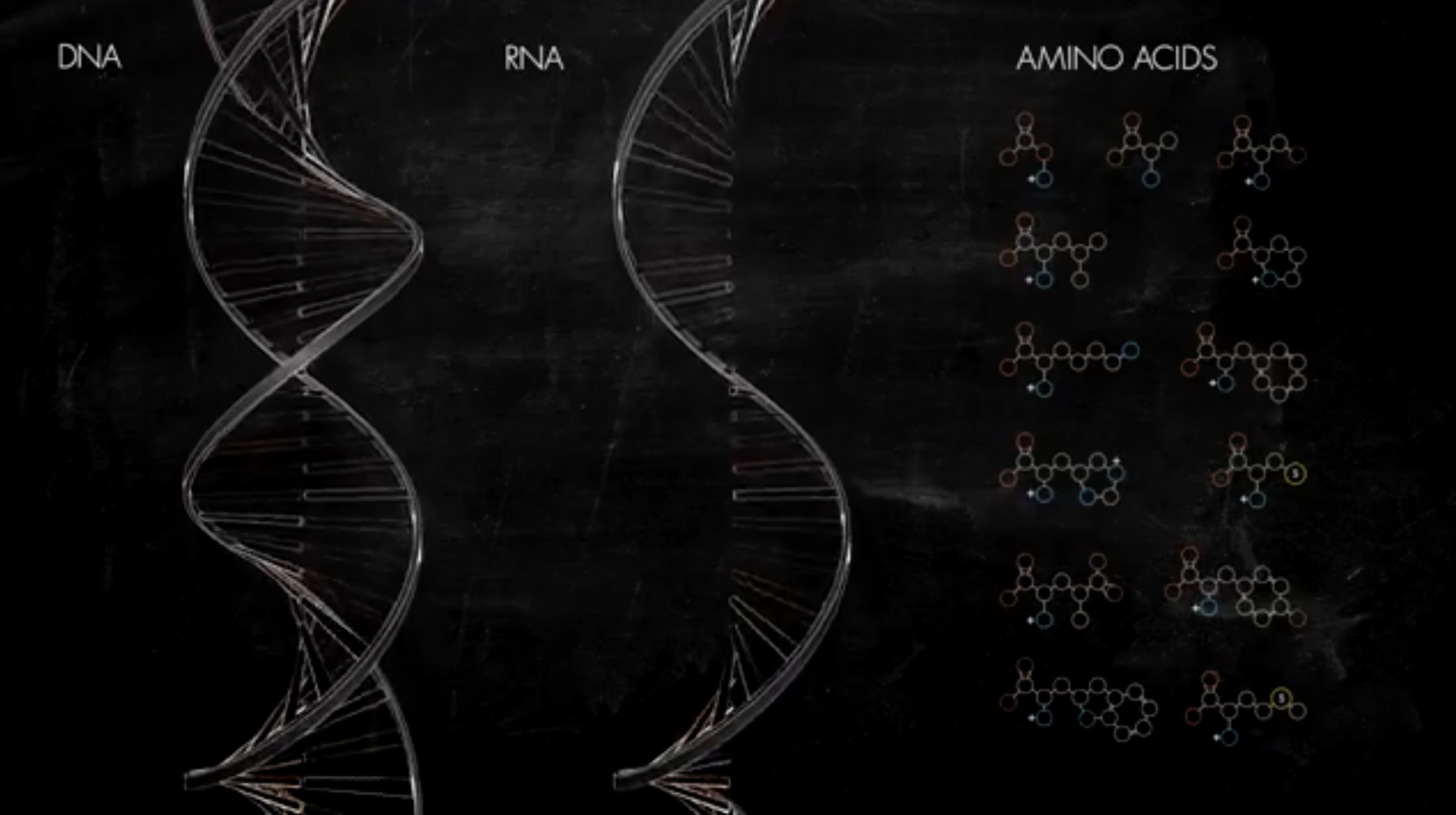
 David Kaplan points out that all life that we have ever
observed is based of DNA, RNA, and Amino acids. Let's dig
into each of these components.
David Kaplan points out that all life that we have ever
observed is based of DNA, RNA, and Amino acids. Let's dig
into each of these components.
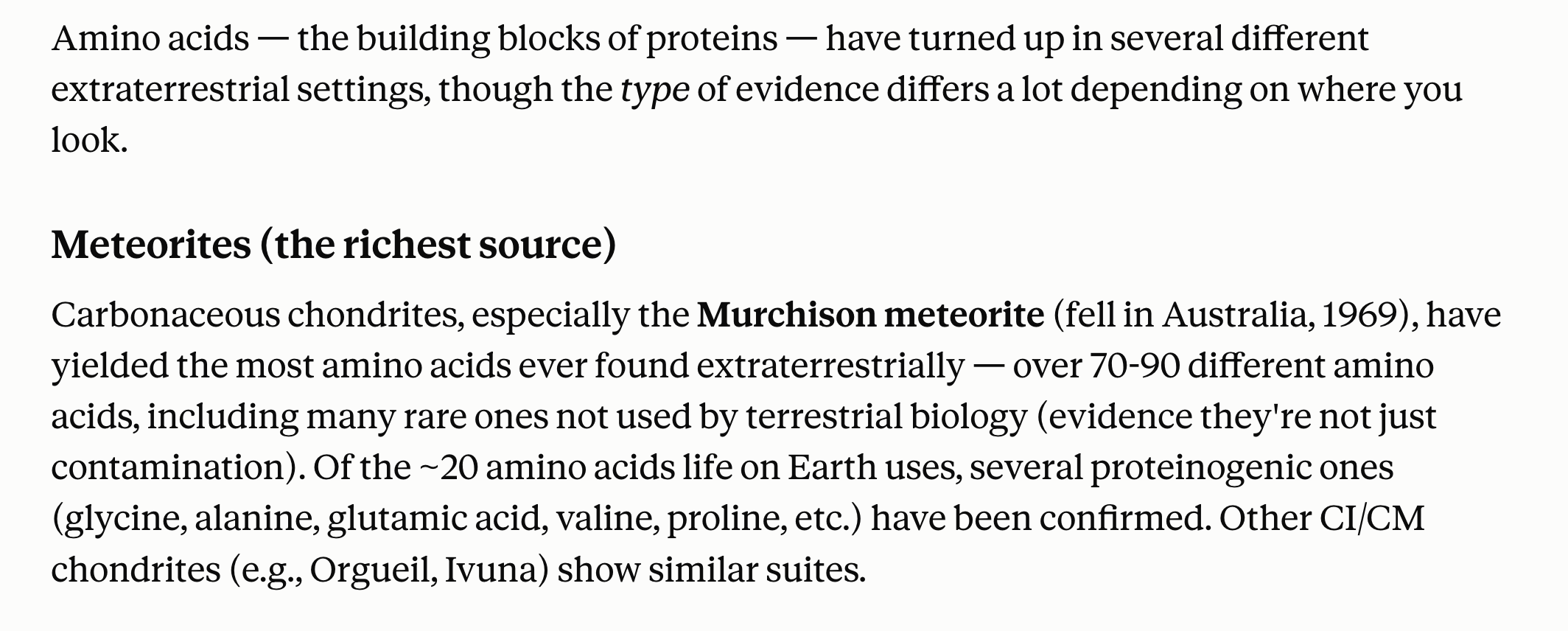
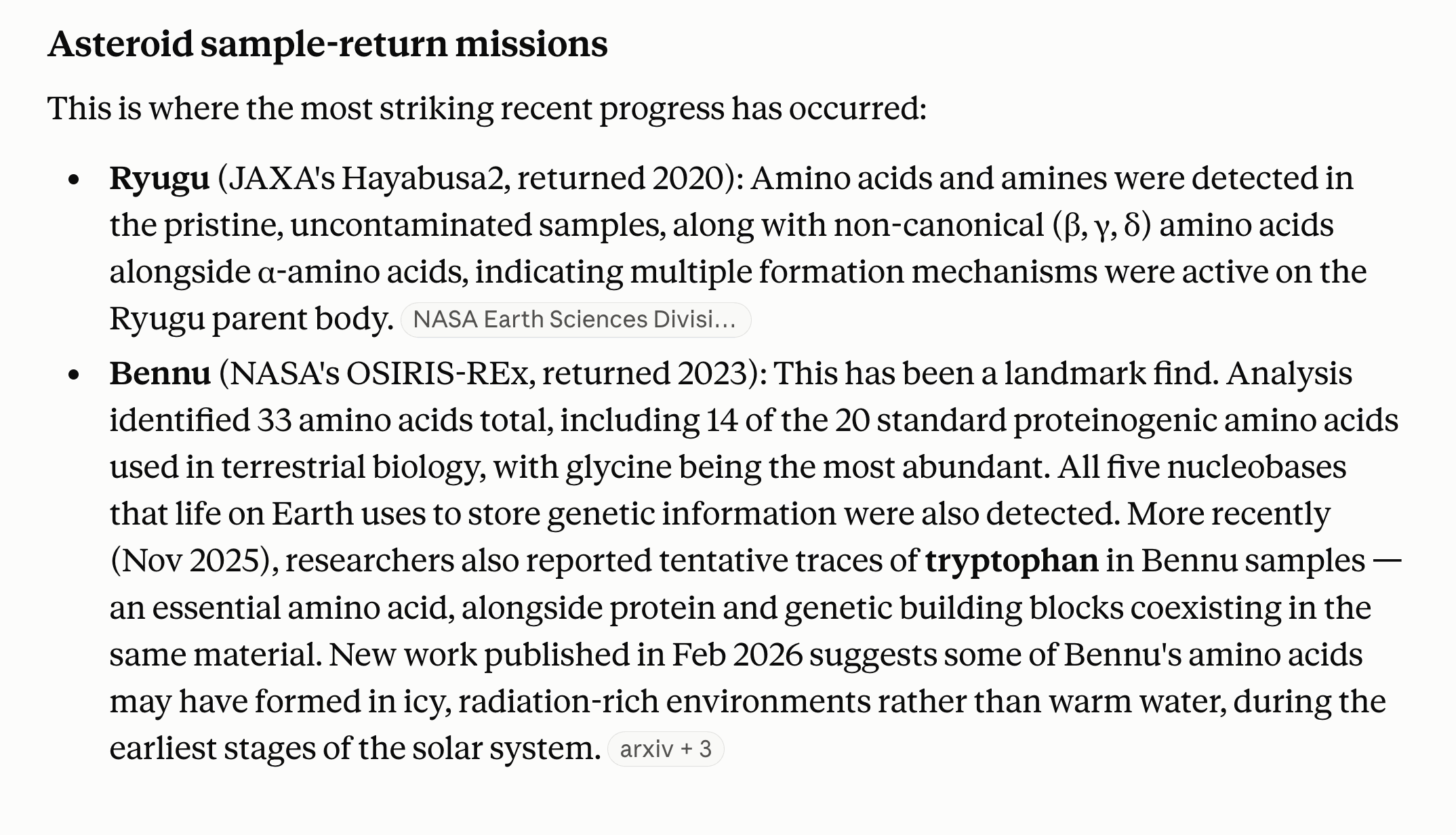
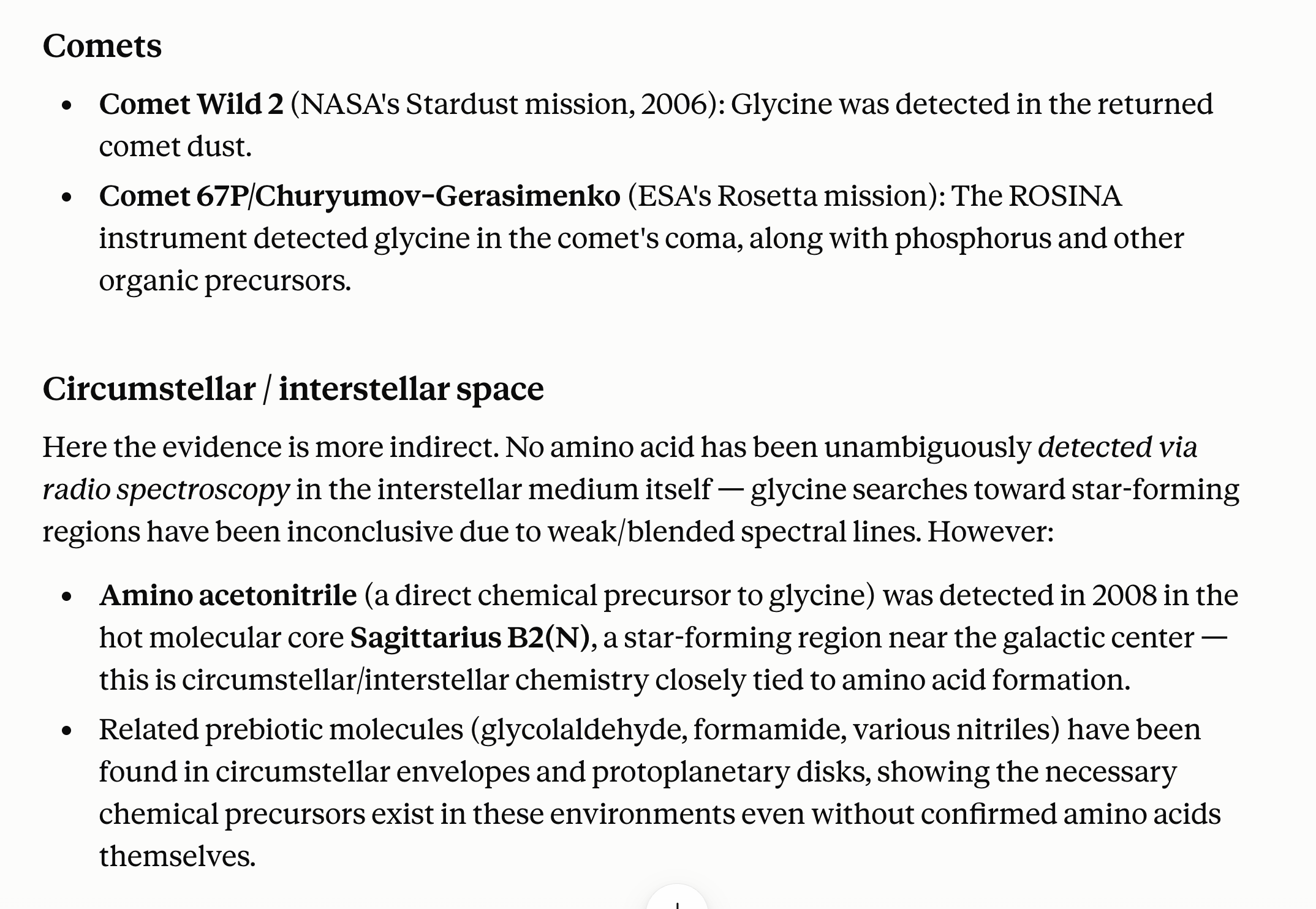
AMINO ACIDS
Wikipedia -- Amino Acids
Wikipedia -- Essential Amino Acids

RIBONUCLEIC ACID (RNA)
Wikipedia -- Ribonucleic acid (RNA)
RNA Might Have Formed Naturally on Early Earth, Seeding Life
https://www.scientificamerican.com/article/rna-may-be-common-throughout-the-cosmos-new-study-suggests/
New experiments suggest RNA could have formed naturally on
early Earth, potentially seeding life. Researchers recreated
early Earth conditions, showing that RNA-like molecules could
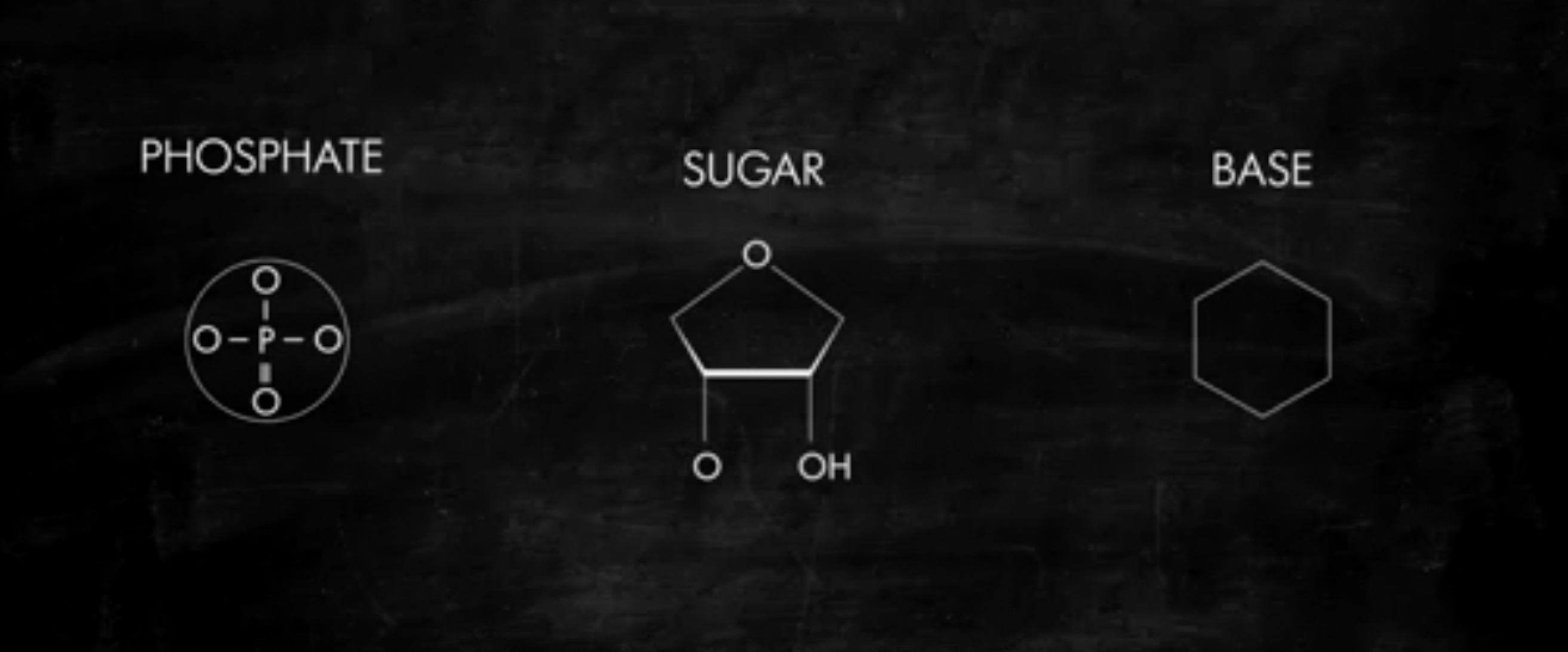
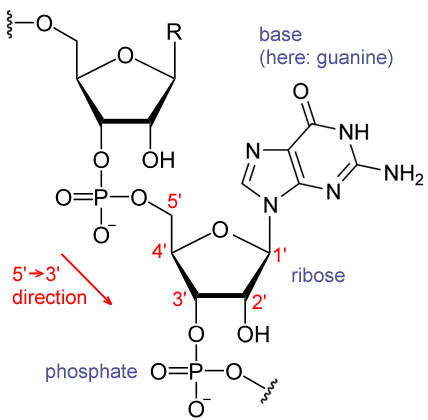
form from a mix of ribose sugar, nucleobases, phosphorus, and
borate, with borate aiding RNA production. While some experts
question the plausibility of this natural process, the
presence of borate on Mars raises the possibility of life
arising independently on other rocky planets.
What Is the RNA World Hypothesis? (7min)
https://www.youtube.com/watch?v=K1xnYFCZ9Yg
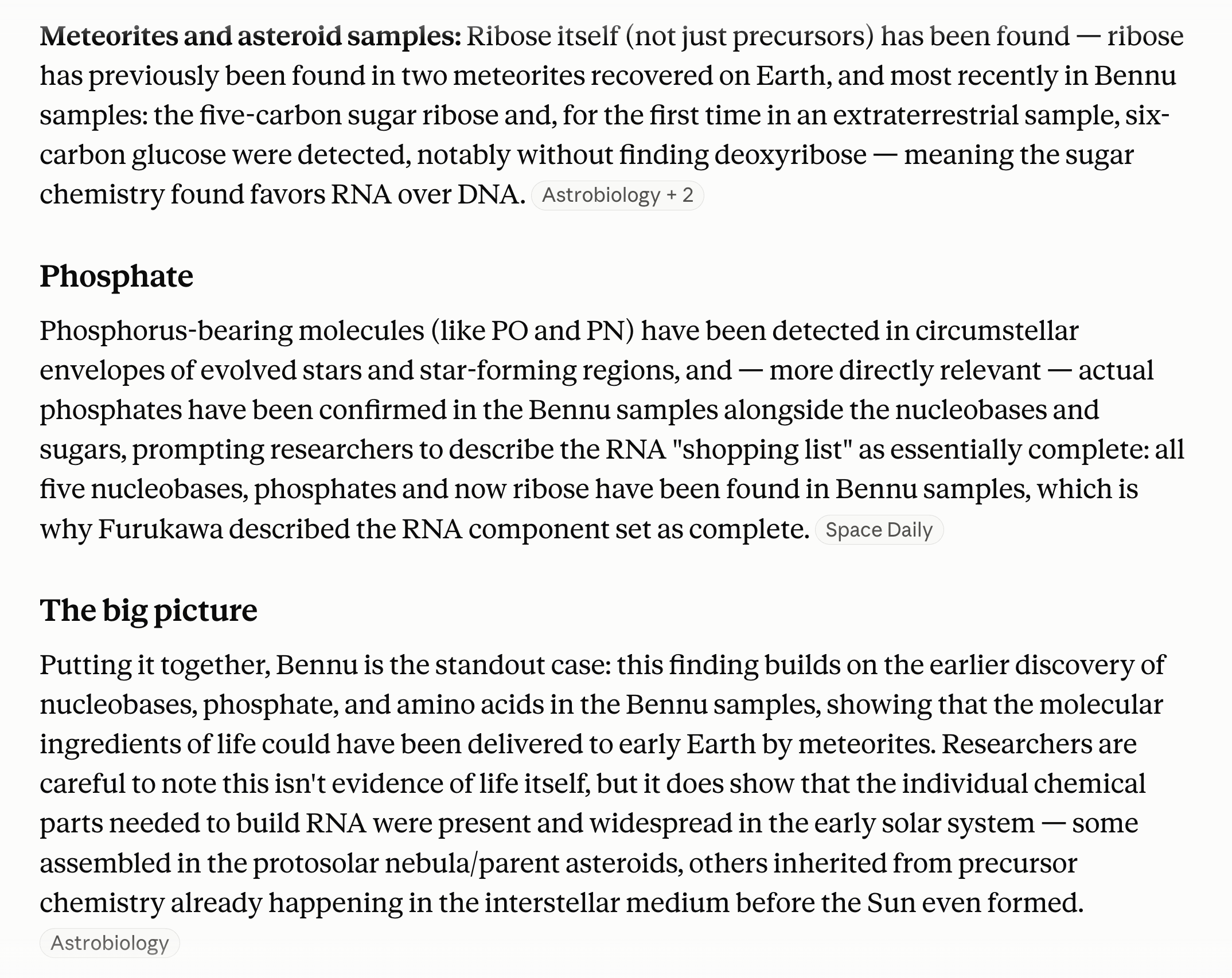
DEOXYRIBONUCLEIC ACID (DNA)
Wikipedia -- Deoxyribonucleic acid (DNA)
What is DNA and How Does it Work? (5min)
https://www.youtube.com/watch?v=zwibgNGe4aY
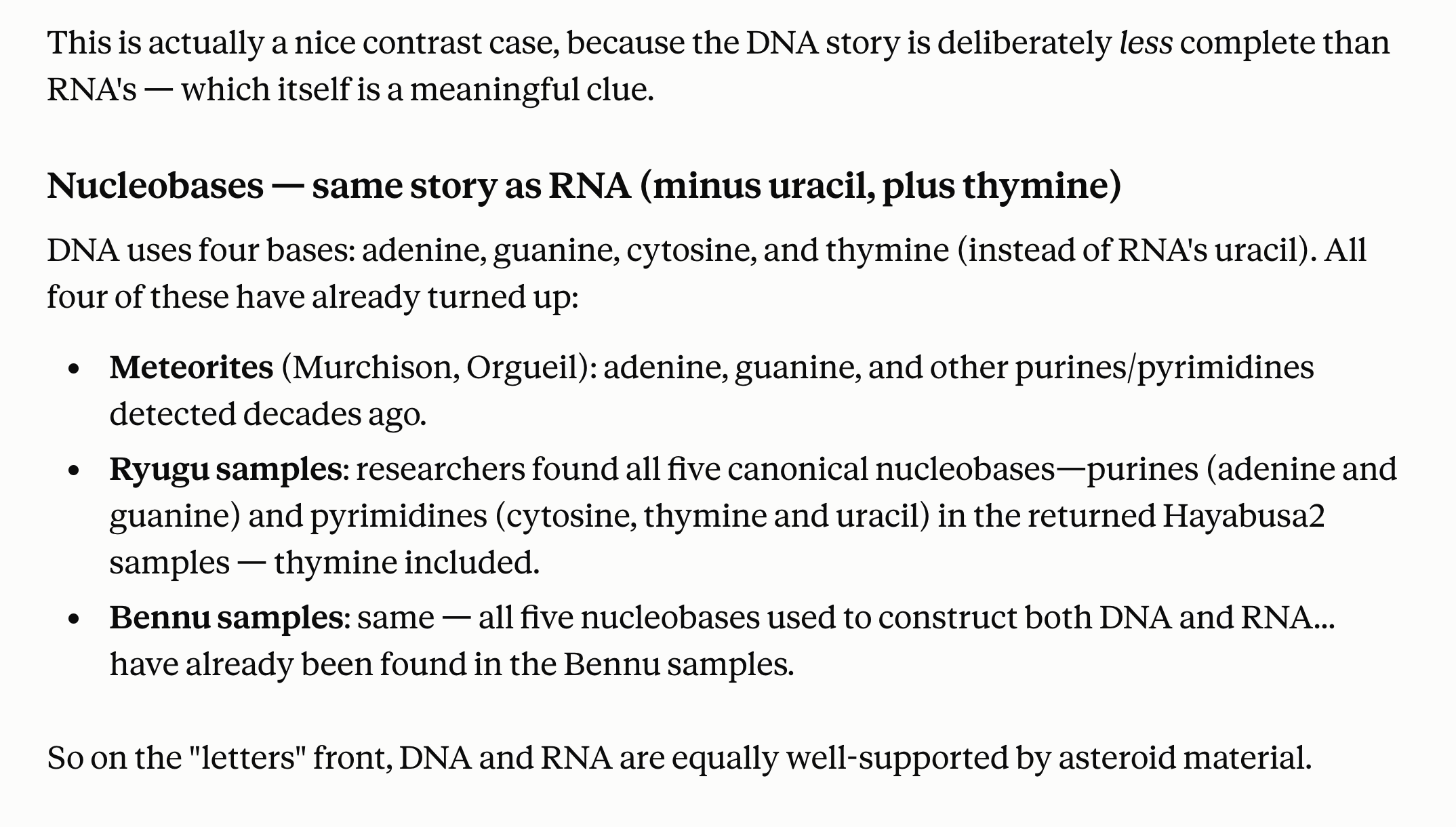
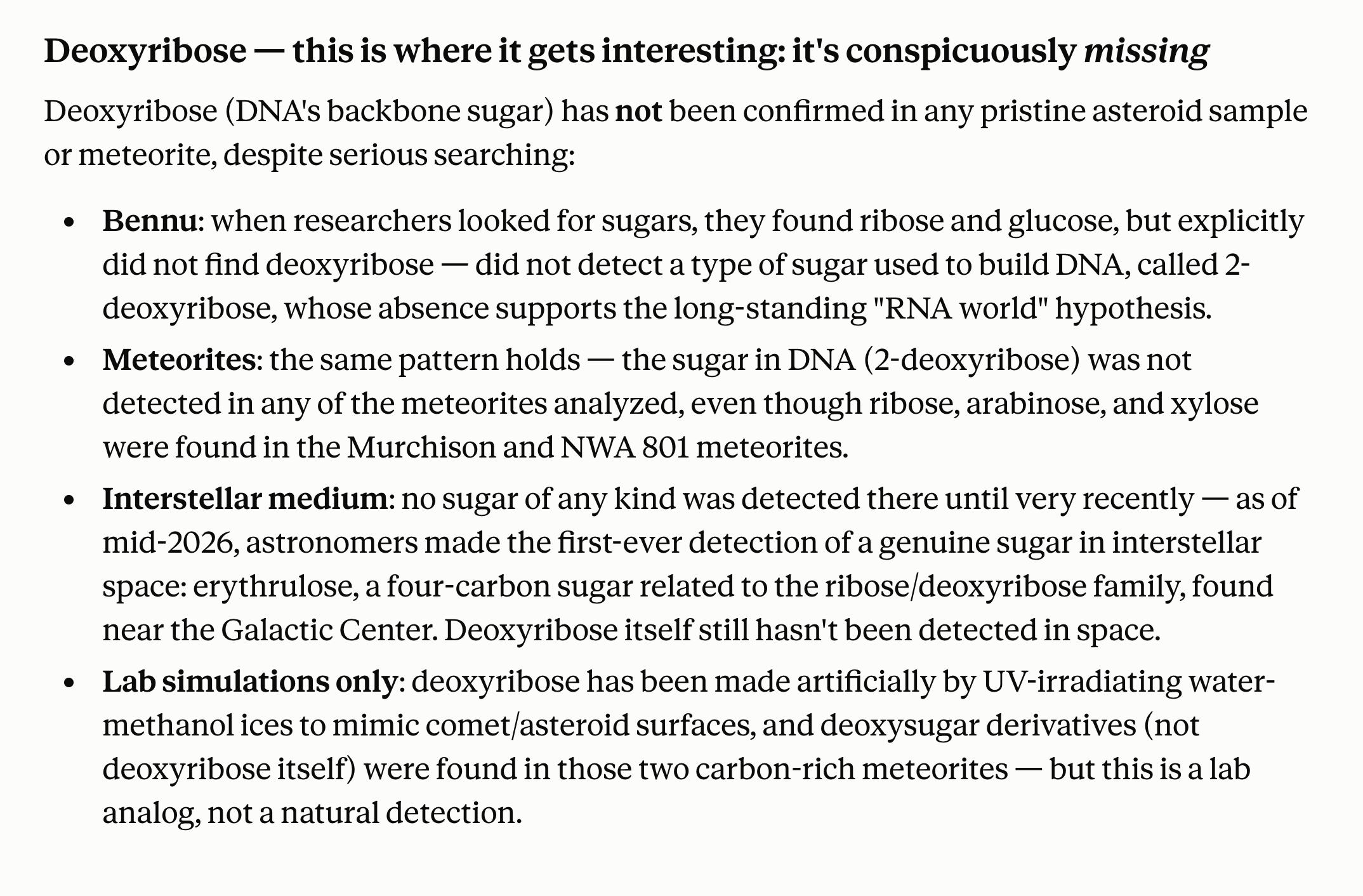
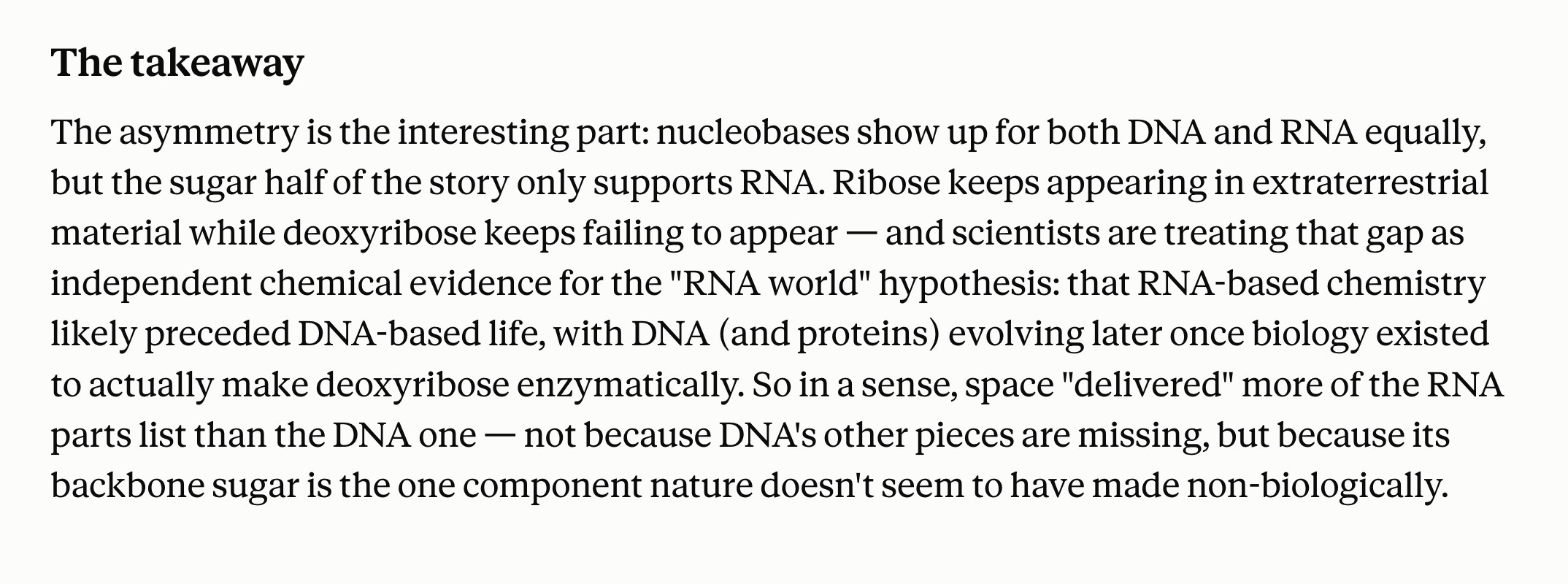
OBSERVATIONS
Life's 'last universal common ancestor' may predate life itself | Scientific American
https://www.scientificamerican.com/article/lifes-last-universal-common-ancestor-may-predate-life-itself/
Life on Earth began twice (and wasn't alive)
Researchers have gathered more evidence for the idea that the
first spark that spawned us all — the last universal common
ancestor (LUCA) — was a part-organic, part-rock chemical
system that formed in the energetically and chemically rich
environment of hydrothermal vents. New findings also suggest
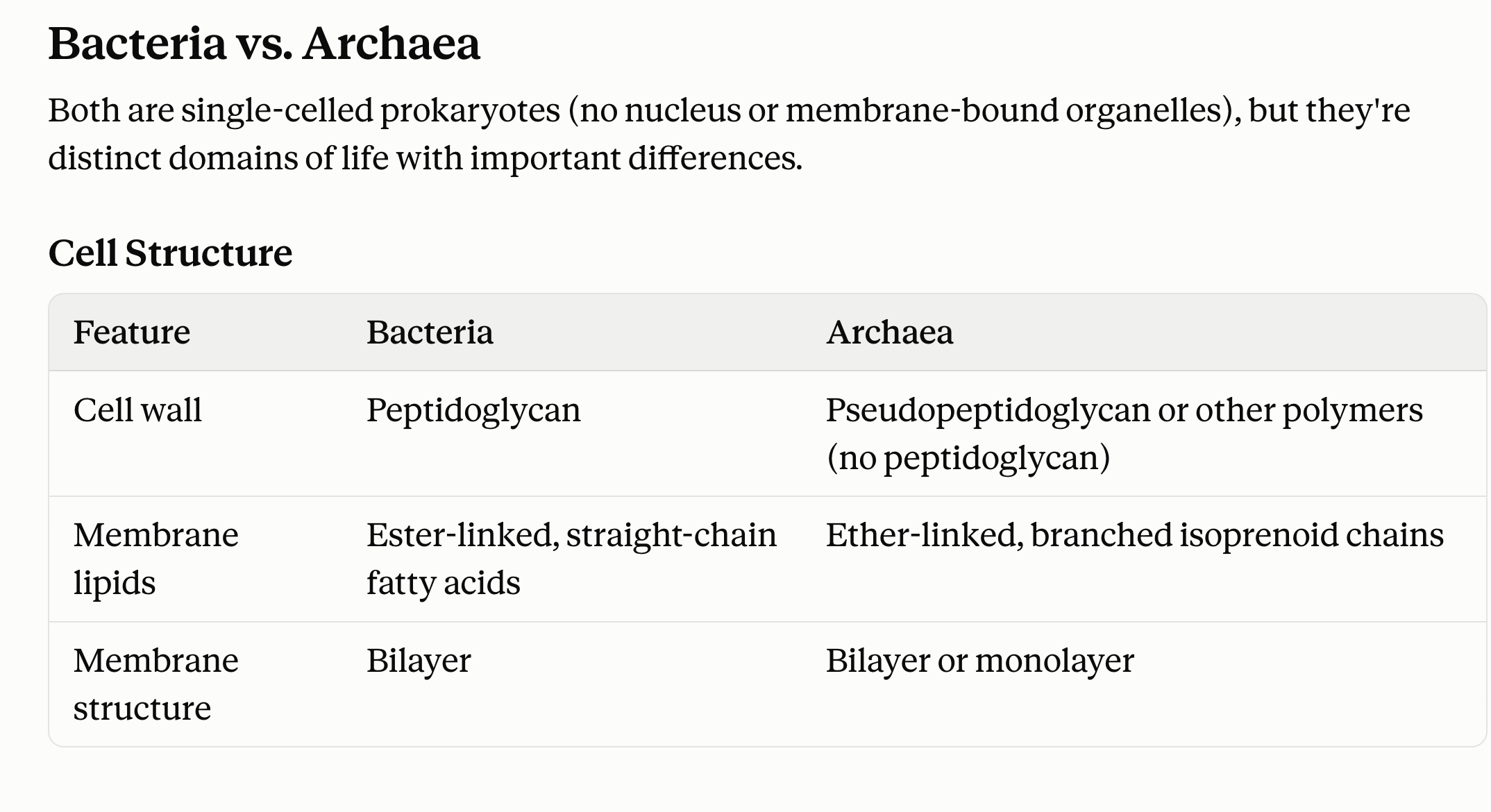
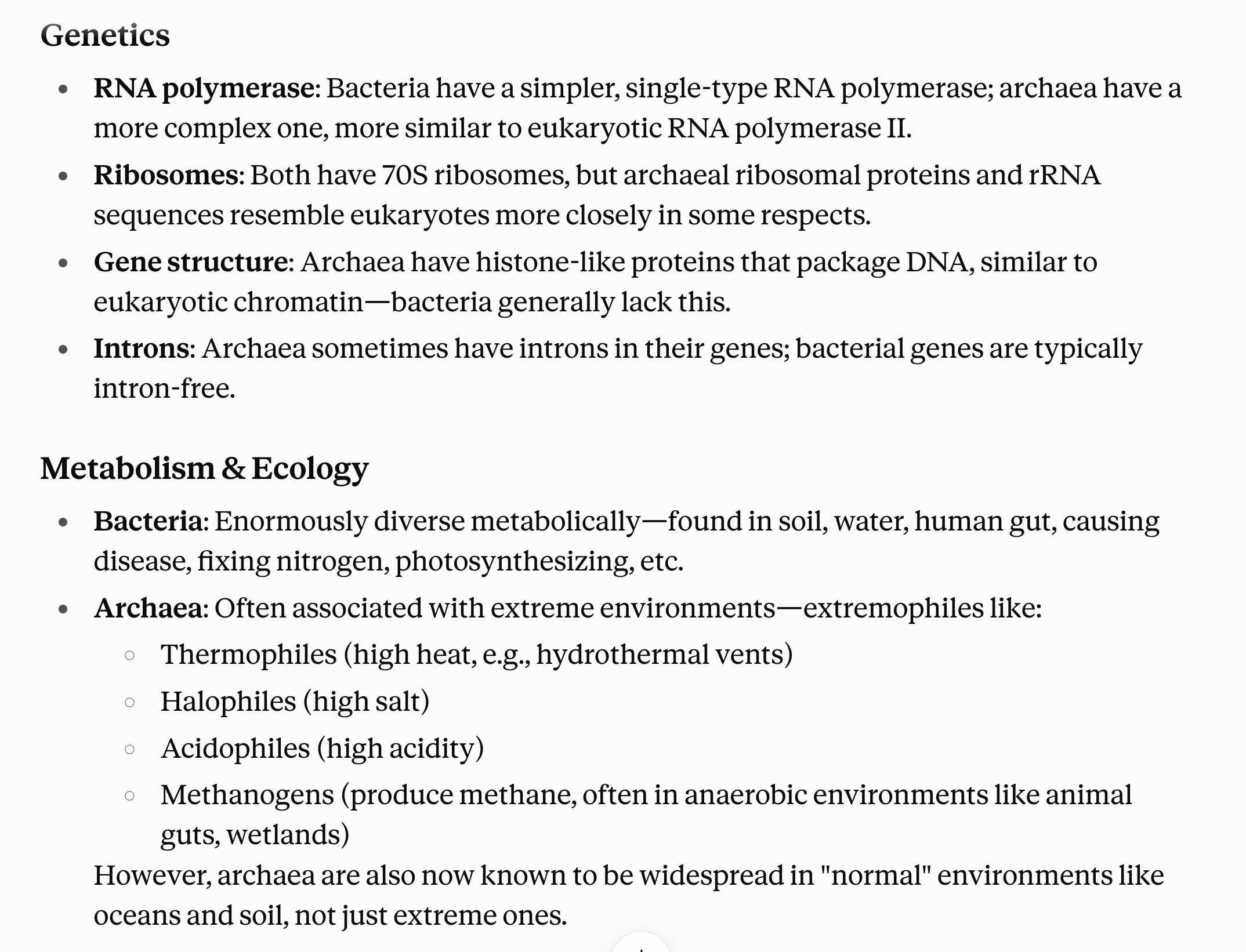
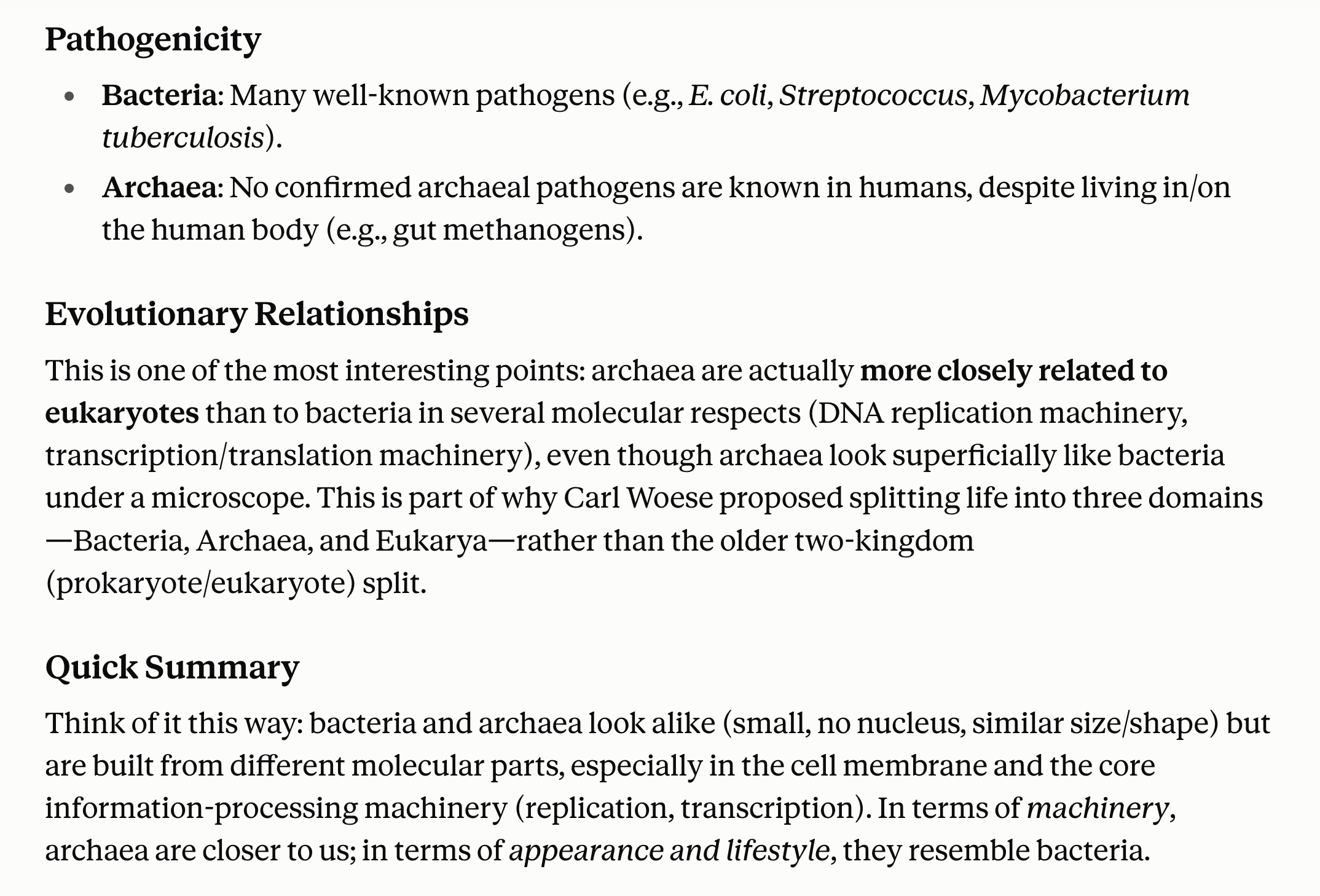
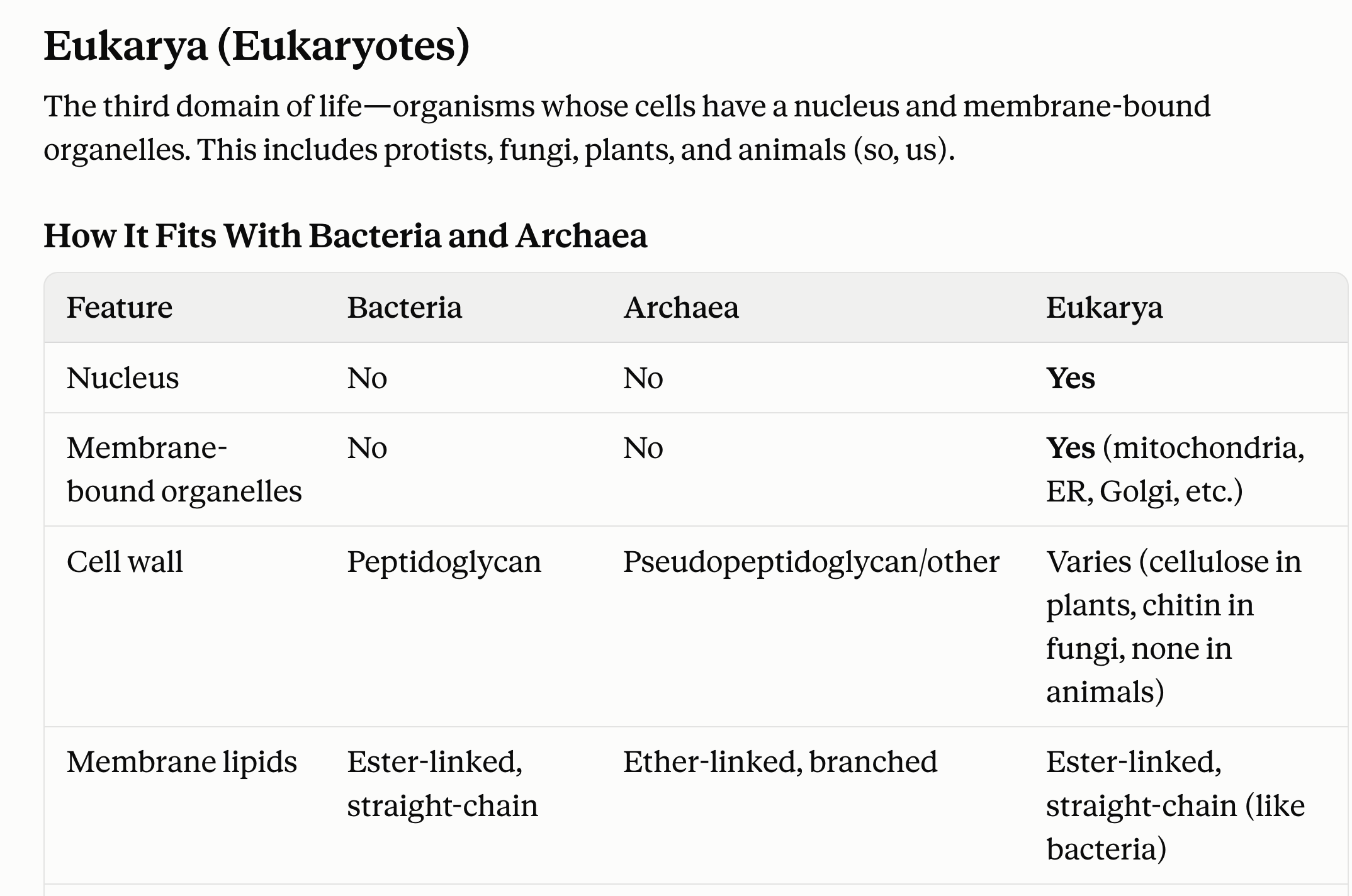
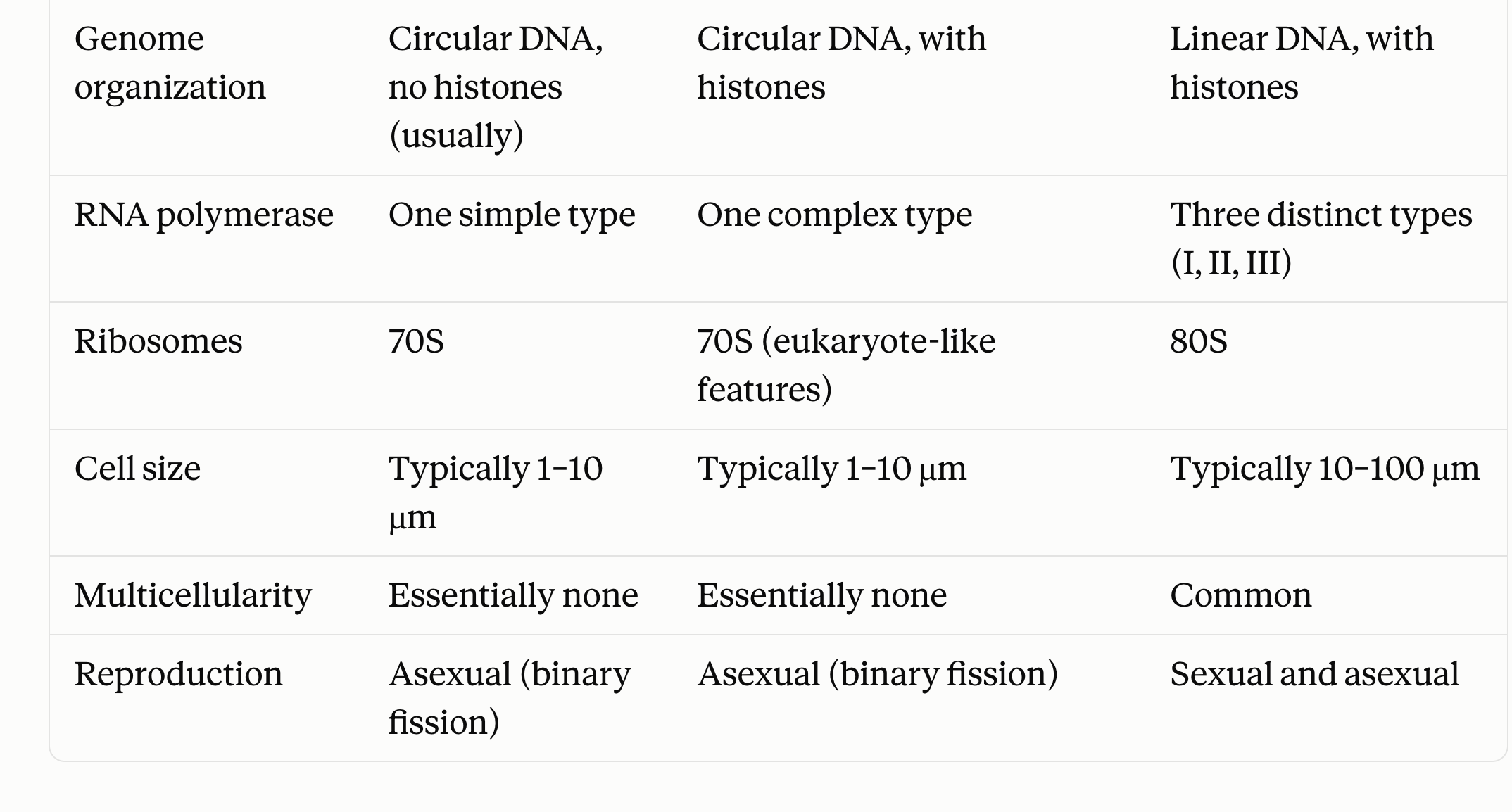
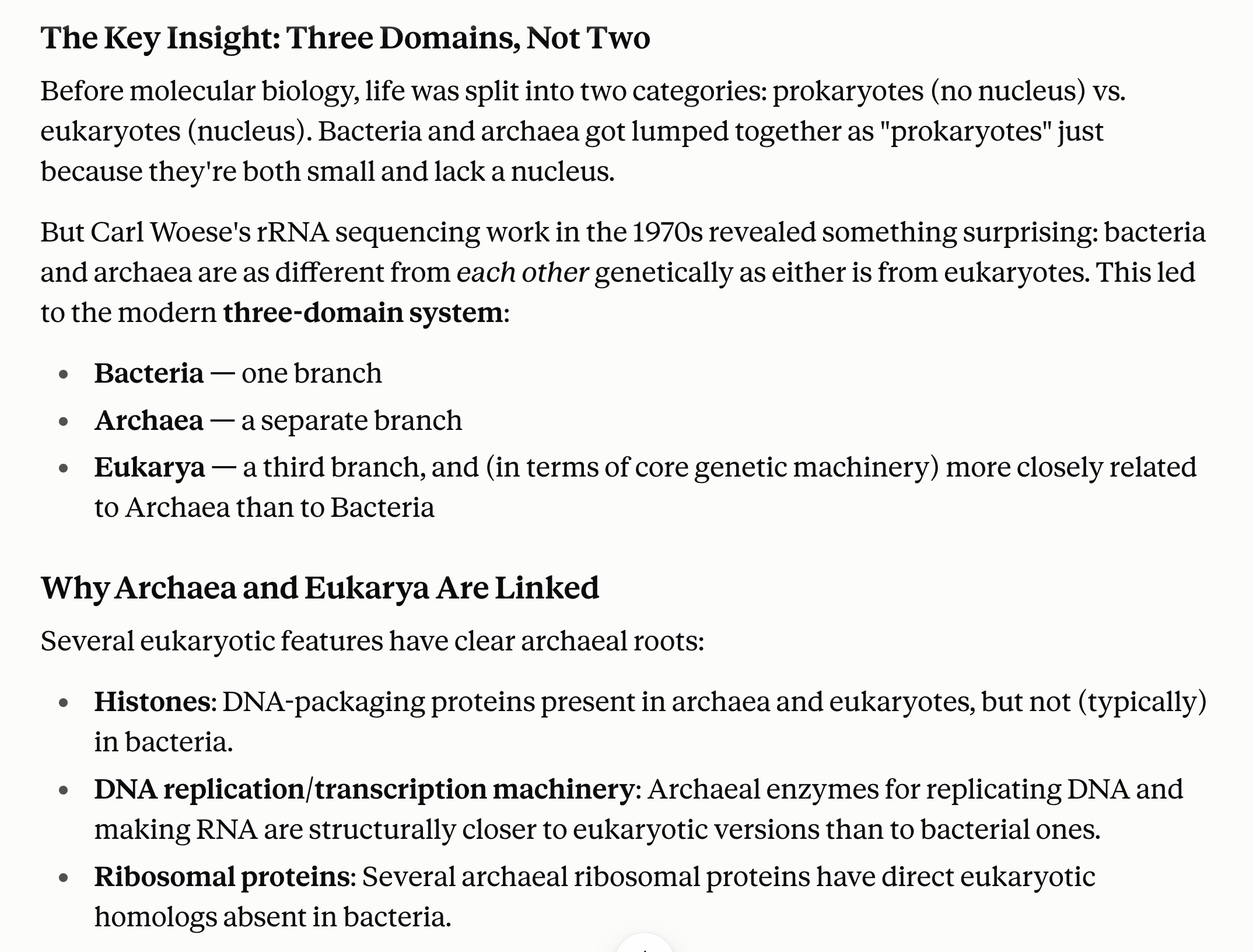
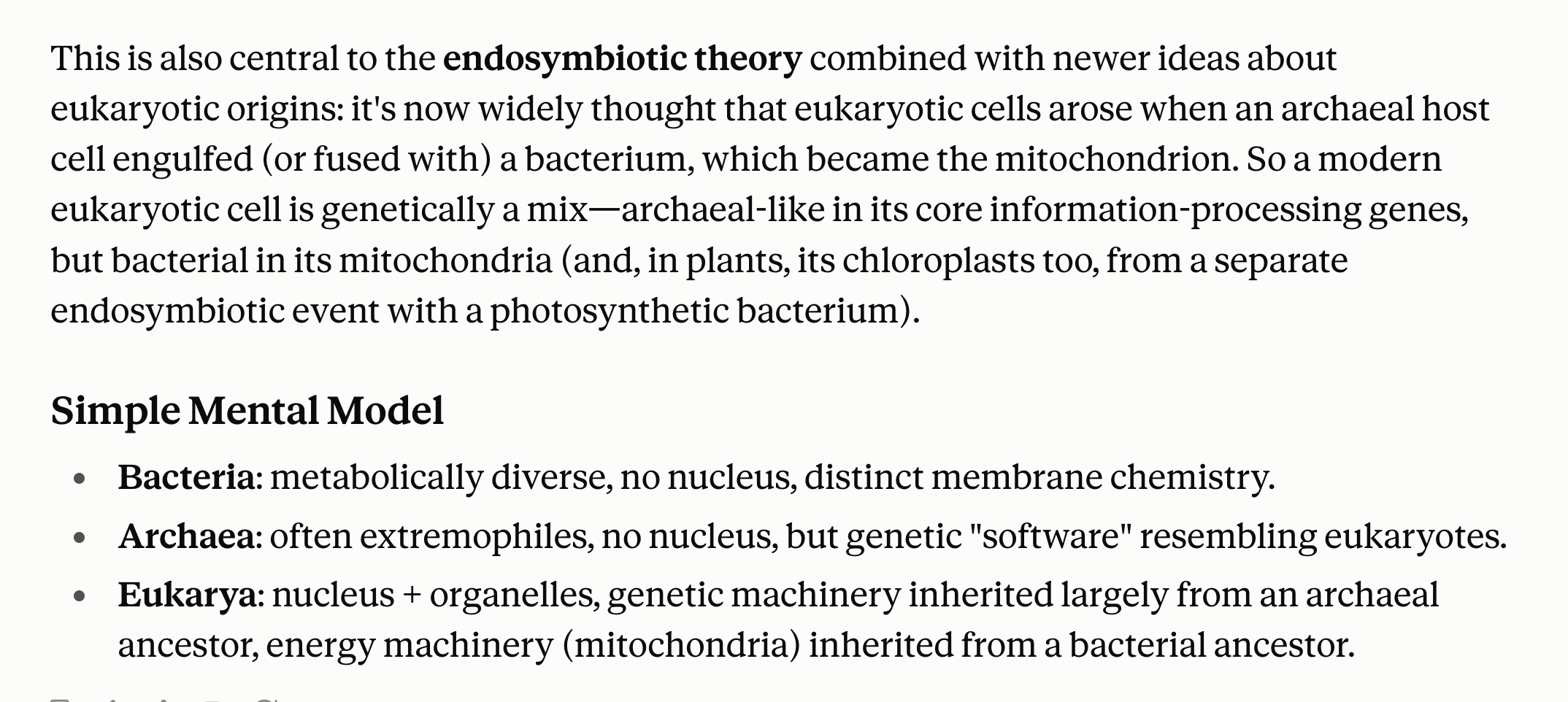
that the two oldest single-celled domains of life, bacteria
and archaea, sprang independently from this first source.
 A Strange Red Sea Discovery Could Reveal How Life Survived Before Oxygen
https://scitechdaily.com/a-strange-red-sea-discovery-could-reveal-how-life-survived-before-oxygen/
Long before atmospheric oxygen filled the sky or
photosynthetic organisms harvested sunlight, Earth hosted a
mysterious biosphere whose energy sources remain uncertain.
Clues to how those primitive organisms survived are emerging
from dark, hypersaline underwater lakes known as brine pools
at the bottom of the Red Sea. In a new study, Chakraborty and
colleagues found that microbes thriving in these oxygen-free
environments leave chemical signatures that may remain
recognizable after a brine pool disappears.
Bacteria and archaea, two distinct groups of microorganisms,
were abundant in an active pool 1,770 meters, or about 5,800
feet, below the surface. Their presence reflects how
scientists’ understanding of brine pools has changed. Once
presumed lifeless because of their extreme saltiness and lack
of oxygen, these environments are now known to support
extremophiles, organisms adapted to conditions that exclude
many other forms of life.
A Strange Red Sea Discovery Could Reveal How Life Survived Before Oxygen
https://scitechdaily.com/a-strange-red-sea-discovery-could-reveal-how-life-survived-before-oxygen/
Long before atmospheric oxygen filled the sky or
photosynthetic organisms harvested sunlight, Earth hosted a
mysterious biosphere whose energy sources remain uncertain.
Clues to how those primitive organisms survived are emerging
from dark, hypersaline underwater lakes known as brine pools
at the bottom of the Red Sea. In a new study, Chakraborty and
colleagues found that microbes thriving in these oxygen-free
environments leave chemical signatures that may remain
recognizable after a brine pool disappears.
Bacteria and archaea, two distinct groups of microorganisms,
were abundant in an active pool 1,770 meters, or about 5,800
feet, below the surface. Their presence reflects how
scientists’ understanding of brine pools has changed. Once
presumed lifeless because of their extreme saltiness and lack
of oxygen, these environments are now known to support
extremophiles, organisms adapted to conditions that exclude
many other forms of life.
MORE OBSERVATIONS
NASA’s Bennu Samples Reveal a Surprising Origin Story
https://scitechdaily.com/nasas-bennu-samples-reveal-a-surprising-origin-story/
The measurements showed that titanium and iron are
distributed uniformly throughout Bennu’s material. They also
revealed a close chemical connection with the asteroid Ryugu
and CI meteorites, a rare class of primitive, carbon-rich
meteorites found on Earth. All three share a similar isotopic
fingerprint that sets them apart from other known asteroids,
meteorite groups, and planets.
A birthplace near the water-ice line
That similarity suggests Bennu, Ryugu, and the parent bodies
of CI meteorites formed from the same reservoir of cosmic
dust. Pinning down where such a reservoir existed led the
researchers away from the distant outer Solar System and
toward a boundary known as the water-ice line.
About 4.5 billion years ago, the young Sun was surrounded by
a rotating disk of gas, dust, and water ice. The water-ice
line marked the region where temperatures became low enough
for water vapor to freeze. Material arriving from the inner
and outer parts of the disk could mix near this transition,
while ice helped the finest dust particles stick together.
Asteroid find upends story of life's origin
https://www.nature.com/articles/d41586-025-00264-3
Fragments collected from the asteroid Bennu contain the
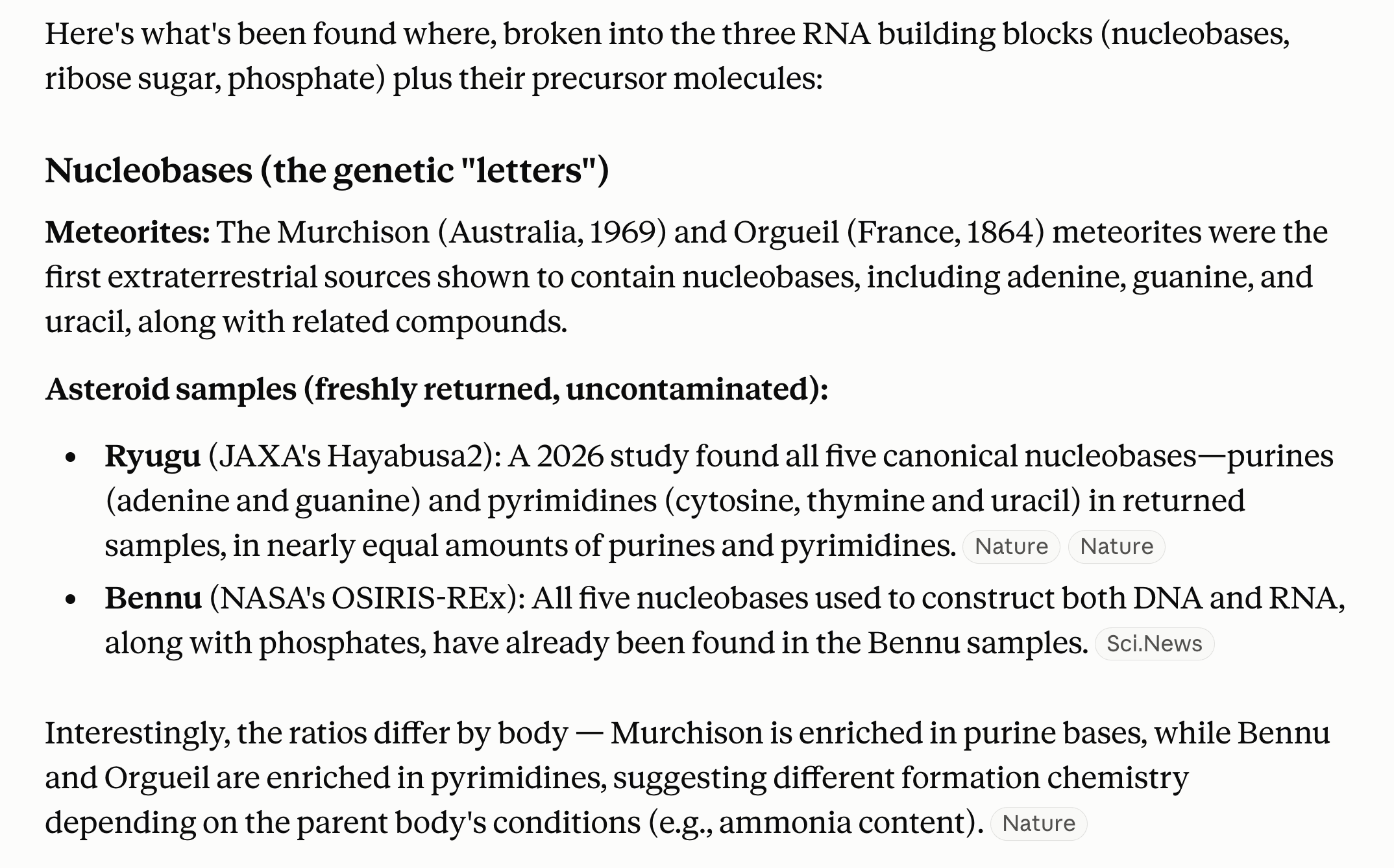
building blocks for life - all five nucleobases that form
DNA and RNA and 14 of the 20 amino acids needed to make
known proteins. But there's a twist: on Earth, amino acids
in living organisms tend to have a 'left-handed' structure.
Those on Bennu, however, contain nearly equal amounts of
these structures and their 'right-handed', mirror-image
forms. This calls into question a hypothesis favoured by
many scientists that asteroids similar to this one might
have seeded life on Earth.
Asteroid Bennu Is Packed with Life's Building Blocks, New
Studies Confirm
https://www.scientificamerican.com/article/nasas-latest-asteroid-sample-hints-at-lifes-extraterrestrial-origins/
NASA's OSIRIS-REx mission retrieved samples from asteroid
Bennu, revealing the presence of organic compounds,
including amino acids and nucleotide bases, suggesting the
early solar system had the building blocks of life. These
findings, along with the presence of water and salts,
indicate a promising environment for life's origins. Further
analysis of the samples and future missions to other
celestial bodies are crucial for understanding the origins
of life and its potential elsewhere in the solar system.
Building blocks of life discovered in Bennu asteroid rewrite
origin story
https://phys.org/news/2026-02-blocks-life-bennu-asteroid-rewrite.html
Amino acids, the building blocks of life, were found in
samples from the Bennu asteroid. Penn State researchers
discovered that these amino acids likely formed in a cold,
radioactive environment in the early solar system,
challenging previous theories of formation in warm water.
This discovery raises new questions about the diversity of
conditions under which amino acids can form and the origins
of life.
Scientists Discover Rain's Key Role Supporting Early Life on Earth
https://www.sciencealert.com/scientists-discover-rains-key-role-supporting-early-life-on-earth
Rainwater may have played a crucial role in stabilizing early
cells, paving the way for life's complexity. Scientists
propose that rainwater, being a natural source of ion-free
water, could have prevented protocell fusion and RNA leakage,
allowing for stable genetic material and the evolution of
life. This research highlights the importance of
interdisciplinary collaboration in understanding the origins
of life.
Life may have originated in lake environments, where the necessary
chemical reactions for RNA, proteins, and lipids could occur
https://www.sciencealert.com/leading-theory-for-how-life-on-earth-began-is-highly-unlikely-says-contentious-new-paper
Geochemist Benjamin Tutolo argues that the widely accepted
theory of life originating in hydrothermal vents is unlikely
due to outdated assumptions about ancient ocean chemistry. He
suggests that life may have originated in lake environments,
where the necessary chemical reactions for RNA, proteins, and
lipids could occur. This perspective challenges the notion
that hydrothermal vents on other planets are the best places
to search for extraterrestrial life.
How Did the First Cells Arise? With a Little Rain, Study Finds.
https://www.nytimes.com/2024/08/21/science/first-cells-rain.html
https://phys.org/news/2024-08-life-rainwater-protocell-walls.html
https://www.science.org/doi/10.1126/sciadv.adn9657
Abstract
Membraneless coacervate microdroplets have long been
proposed as model protocells as they can grow, divide, and
concentrate RNA by natural partitioning. However, the rapid
exchange of RNA between these compartments, along with their
rapid fusion, both within minutes, means that individual
droplets would be unable to maintain their separate genetic
identities. Hence, Darwinian evolution would not be
possible, and the population would be vulnerable to collapse
due to the rapid spread of parasitic RNAs.
In this study, we show that distilled water, mimicking
rain/freshwater, leads to the formation of electrostatic
crosslinks on the interface of coacervate droplets that not
only suppress droplet fusion indefinitely but also allow the
spatiotemporal compartmentalization of RNA on a timescale of
days depending on the length and structure of RNA. We
suggest that these nonfusing membraneless droplets could
potentially act as protocells with the capacity to evolve
compartmentalized ribozymes in prebiotic environments.
Lab-created ‘protocells' provide clues to how life arose
https://www.science.org/content/article/lab-created-protocells-provide-clues-how-life-arose
Scientists have created lab-grown protocells using simple
ingredients, providing insights into how early cells formed.
These protocells have double-layered membranes similar to
modern cells and can encapsulate molecules, suggesting they
may mimic a stage in cellular evolution. The researchers
speculate that silica, present on primordial Earth, may have
sparked the formation of early membranes.
What is Life? -- According to NASA (10min)
https://www.youtube.com/watch?v=pbZ2MFAbGrk
Life: Self-sustaining chemical system capable of Darwinian evolution
Latest Science (all sciences)
http://edu-observatory.org/media/Science/index.html
DuckDuckGo